

There are very few flowers that announce spring quite like tulips. That first flush of colour, whether it is a neat row of red Singles in a garden bed or a cluster of ruffled Parrots in a pot, is one of the genuinely satisfying rewards of getting the Tulips basics right. Most people treat tulips as annuals because they tend to weaken after the first season, but you know what, with the right care, they can return and perform well for several years. Whether you are growing them in open ground, containers, or keeping a cut bunch fresh in a vase, the fundamentals for taking care of Tulips are the same: the good bulbs, the right depth, enough sun, and knowing what to do once the blooms are finished. This tulip care guide covers all of it.
Understanding Different Types of Tulips & Their Care Before You Plant Them

Not all tulips behave the same way in the ground, and choosing the right variety for your space and climate is the first decision worth getting right. Bloom time, how much sun do tulips need, stem height, and hardiness vary considerably across types, which affects where they work best and how to care for tulips through the season. Read the table below to understand how to care for a tulip plant based on your type, a bloom with the most beautiful flower meanings.
| Tulip Type | Planting Time | Where to Plant | Sunlight | Soil | Climate |
| Single Tulip | Fall | Beds, borders, containers | Full sun
(6+ hrs) |
Well-drained, neutral | Zones 3–8; needs a cold winter |
| Double Tulip | Fall | Beds, containers, sheltered spots | Full sun | Well-drained, fertile | Zones 3–7; wind protection helps |
| Parrot Tulip | Fall | Containers, focal garden spots | Full to partial sun | Rich, well-drained | Zones 3–7; stake in exposed sites |
| Triumph Tulip | Fall | Borders, mass planting | Full sun | Well-drained | Zones 3–8; one of the most reliable |
| Darwin Hybrid | Fall | Borders, naturalising | Full sun | Deep, well-drained | Zones 3–8; best for perennial return |
| Lily-Flowering Tulip | Fall | Borders, cutting gardens | Full sun | Well-drained | Zones 4–8; elegant in arrangements |
Step-by-Step Guide to Planting Tulip Bulbs
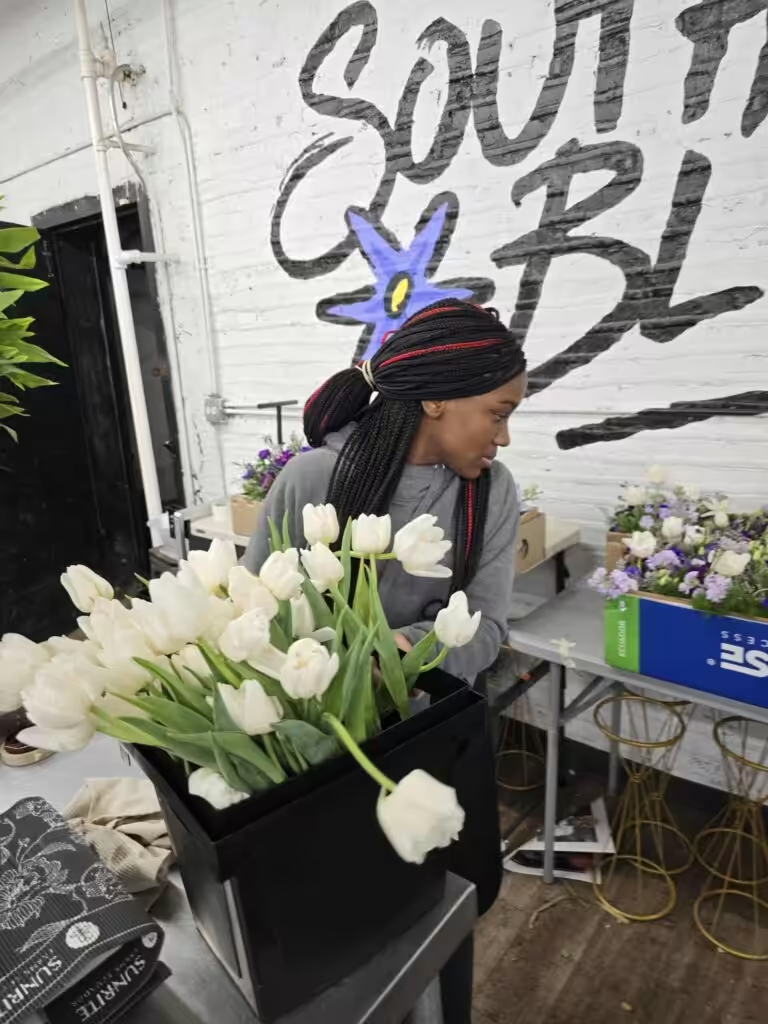
You know what the real difference is between Tulips that reliably bloom and one that takes a lot of effort and disappears completely after a single season? It is primarily the planting technique. Therefore, the steps below try to equip you with all the essential information to plant your Tulip bulbs efficiently and how to take care of a Tulip plant.
Step 1: Pick Healthy Bulbs
Get firm and plump bulbs that have no soft spots or any visible damage. Picking up larger bulbs will generally produce bigger and stronger first-year blooms. And if you are buying in advance, store bulbs in a cool, dry, ventilated space until planting time.
Step 2: Prepare the Soil
While dealing with how to take care of tulips in soil, take note that Tulips generally require well-draining, moderately fertile soil. The waterlogged conditions lead to bulbs rotting quickly, so while preparing soil, make sure that it is heavy clay and work in coarse grit or horticultural sand before planting. A slightly alkaline to neutral pH soil would be ideal.
Step 3: Know Proper Depth
When planting your tulip bulbs, plant them at a depth of approximately three times the bulb’s height. As deeper planting improves stability, extends vase life for cut tulips, and encourages better perennial return. Whereas shallow planting is the most common reason for weak stems and reduced flowering.
Step 4: Space Bulbs Correctly
Ensure proper spacing between bulbs while planting. Space bulbs 4-6 inches apart in beds. Closer spacing can work for containers where a dense display is the goal. Also, note that you should avoid touching bulbs, as contact can spread disease between them.
Step 5: Water After Planting
As you plant, water thoroughly once to settle the soil and trigger root development. After that initial watering, hold back, because autumn rainfall is usually sufficient, and overwatering dormant bulbs can encourage rot. You can resume regular watering when shoots appear in spring.
Step 6: Mulch for Protection
Apply a 2 to 3 inch layer of mulch over the planting area after the ground cools but before it freezes. This moderates soil temperature, retains moisture in spring, and reduces weed competition around emerging shoots.
How to Care for Tulips After They Bloom?
Tulips are the most amazing orange flowers, and with the right care, they change the mood of your space. As much as planting tulips correctly is essential, so is what you do in the weeks after flowering, as it is what primarily determines whether your tulips return the following year or not. Thus, here is a detailed insight into Tulip care after blooming. Before that, take a close look at the Tulip care calendar by season.
| Season | Key Tasks |
| Fall | Plant bulbs at the correct depth, water in, and apply mulch after the ground cools |
| Winter | Protect bulbs. Monitor mulch and protect pots from hard freezes |
| Spring | Water and fertilise. Remove mulch as shoots emerge, water as needed, feed with low-nitrogen fertiliser, deadhead spent blooms, and allow foliage to die back naturally |
| Summer | Store bulbs. Lift and dry bulbs in warm zones, store in cool, dark, well-ventilated conditions, and prepare clean beds for autumn replanting. |
- Deadheading: Remove spent flower heads as soon as petals drop by cutting or snapping off the seed head just below the bloom. This redirects energy from seed production back into the bulb.
- Leave the foliage: Do not cut back leaves after blooming. The foliage is still feeding the bulb. However, tying leaves is unnecessary and actually reduces the leaf surface available for energy production.
- Nutrient storage: Apply a potassium-rich feed after blooming to support bulb development through the dying-back phase. This is particularly worth doing if you want reliable second-year blooms.
- Preparing for next season: Once foliage has yellowed completely and died back naturally, you can lift bulbs in warmer zones, dry them, and store them in a cool, dark location until autumn replanting.
Growing Tulips in Pots and Containers
If you have planted Tulips in pots or containers, and are confused about how to care for Tulips in a pot, then read on. The care for tulips in a pot follows the same principles as open ground, with a few adjustments. Just as choosing a container at least 12 inches deep with drainage holes, as drainage is even more critical in pots than in beds. Containers are an excellent way to enjoy tulips. Many gardeners also grow tulips in decorative pots specifically to create seasonal fresh-flower bouquets once the blooms reach their peak.
Plant bulbs at the same depth as in the ground, and water sparingly through winter, just enough to prevent the compost drying out completely. In cold climates, move pots to an unheated shed or against a sheltered wall to prevent the pot from freezing solid, which can damage roots and bulbs, and actually, that’s it; this is the complete answer to how to take care of Tulips in a pot.
| Quick Answer: How long do tulip bulbs last? In bloom, typically 1–3 weeks depending on temperature. Cooler conditions extend vase life and bloom duration significantly. A cool room or unheated greenhouse extends a potted display by 7–10 days compared to a warm indoor space. |
After blooming, how to care for potted tulips is by continuing to water until foliage dies back, then tip bulbs out, dry them, and store them for autumn replanting. Potted bulbs rarely perform as well in year two if left in the same compost.
How to Handle Cut Tulips Properly?
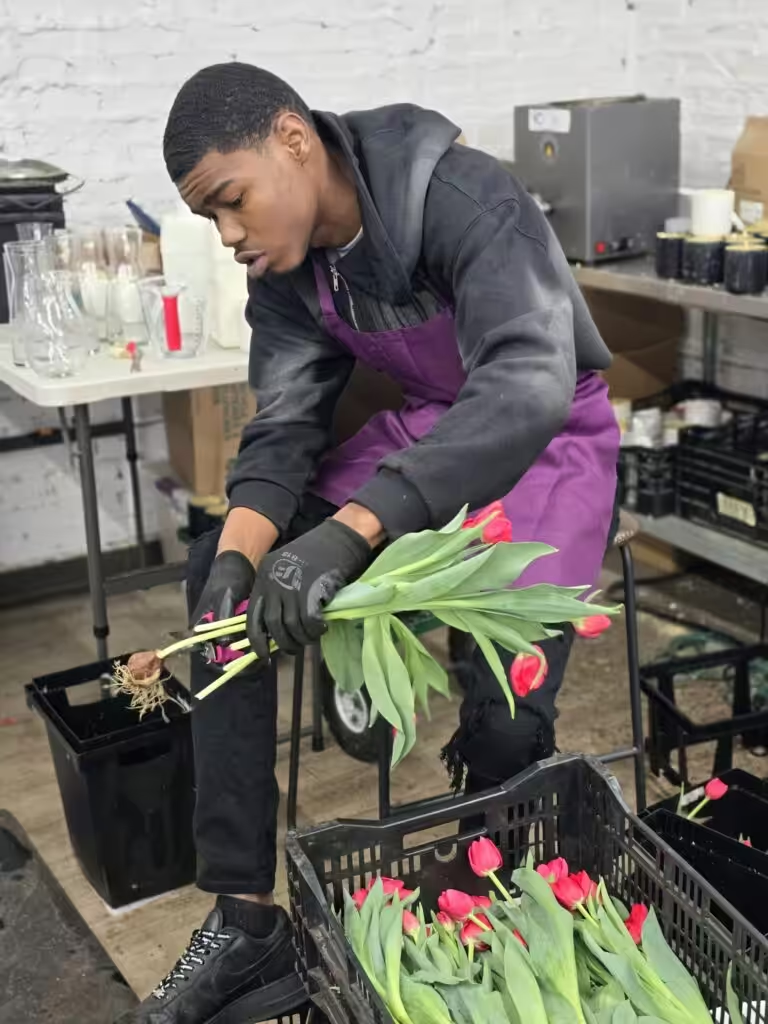
When cut tulips are handled well, they last significantly longer than those dropped straight into a vase. A few minutes of preparation at the start makes a real difference to how they look and how long they hold. Take a look at how to keep Tulips alive, and how you should handle cut tulips effectively.
How to Cut Tulips for Arrangements?
- Cut stems at a 45° angle with a sharp, clean knife. Try not to cut them with scissors, which crushes the stem tissue.
- Cut early morning or late evening when stems are most hydrated.
- Remove any leaves that would sit below the waterline.
How to Keep Cut Tulips Fresh Longer?
When cared for correctly, cut tulips can remain attractive for well over a week. For those who prefer professionally designed arrangements, it can be helpful to shop for fresh flower bouquets featuring seasonal stems at peak quality.
- Place immediately into clean, cool water.
- Change the water in the vase every two days.
- Keep away from direct sunlight, heat sources, and fruit bowls.
- A clean vase matters because bacteria in residue shorten the life significantly.
Best vase care practices:
- Use a tall vase that supports the stem length.
- Keep the water level topped up, as Tulips drink heavily.
- Add a commercial flower food sachet or a few drops of bleach to inhibit bacteria.
Why cut tulips continue growing in a vase?
Tulips are unusual in that they continue elongating even after cutting. Stems can grow 1–2 inches in the vase as they reach toward the light. This is normal, but ensure to rotate the vase to prevent one-sided leaning.
Tulips are among the most versatile cut flowers and are commonly used in spring arrangements for celebrations, anniversaries, and birthdays. If you prefer professionally arranged stems, fresh happy birthday flowers featuring seasonal tulips can create a vibrant and elegant gift.
Common Tulip Problems and Solutions
Tulips are among the World’s most beautiful flowers, and if your Tulips are facing issues growing, believe it or not, most tulip maintenance issues are preventable once you know the cause. The table below covers the problems most likely to affect both garden and potted tulips, with accurate causes and practical fixes.
| Problem | Cause | Solution |
| No flowers | Shallow planting, insufficient cold period, or bulbs exhausted | Replant deeper; pre-chill in warm climates; replace bulbs every 3 years |
| Yellow leaves | Normal during die-back, only a problem if it happens before bloom | Check watering; if pre-bloom, reduce watering and check drainage |
| Rotting bulbs | Waterlogged soil or overly wet storage | Improve soil drainage; store dried bulbs in mesh bags, not sealed containers |
| Weak stems | Shallow planting or insufficient sunlight | Replant at the correct depth; move to a sunnier position |
| Failure to rebloom | Leaves cut too early, warm climate, or nutrient depletion | Allow foliage to die back fully; fertilise after bloom; replace bulbs |
| Bulb aphids in storage | Warm or insufficiently dry storage conditions | Inspect bulbs before storing; dust with sulfur powder; discard damaged bulbs |
| Distorted petals | Tulip breaking virus, spread by aphids | Remove and destroy affected plants; control aphid populations |
Conclusion
Tulip plant care is genuinely straightforward once the fundamentals are in place. Tulip care outdoors just needs good drainage, correct planting depth, enough sun, and patience with the foliage after flowering. Just get those right, and tulips are one of the most rewarding bulbs you can grow, in the ground or in a container. Thus, if you keep thinking are tulips hard to take care of, actually they are not. Just get one, give it some care, and it will present its best blooms.
Looking for fresh, beautifully arranged tulips for a gift or occasion? Southside Blooms offers seasonal arrangements made with carefully sourced flowers, including tulips in a range of colours and styles. Same-day and next-day delivery available. Browse the collection and order online today.
FAQs
What Is The Best Way To Grow Tulips?
The best way to grow Tulips is to plant firm bulbs at the correct depth in well-drained soil in full sun during fall, before the ground freezes. Also, a cold dormancy period is essential for reliable blooming.
Can I Grow Tulips From Cut Flowers?
No, you can’t grow Tulips from cut flowers. Cut tulips have no root system and cannot be propagated from cuttings. Tulips are grown from bulbs only.
Do Tulips Come Back Every Year?
Yes, some Tulip varieties can come back every year, but most tulips weaken after the first season. Allowing foliage to die back naturally, fertilizing after bloom, and planting at the correct depth significantly improve perennial return.
What Is The Lifespan Of A Tulip?
A single bloom of Tulip lasts approximately 1–3 weeks. In the garden, a well-managed bulb can produce flowers for 3–5 years before performance declines and replanting is needed.
Can Tulips Grow In Just Water?
Tulip bulbs can be forced in water using a bulb vase that holds the bulb above the waterline, with roots growing down into the water. This is called hydroponic or water forcing, and it works well for a single season; the bulb is typically too depleted to reuse afterwards.
How Long Do Potted Tulips Last In Pots?
In bloom, Tulips last in pots for 1–3 weeks. Cooler temperatures extend this considerably. The bulb itself can last several years in the same pot if properly maintained through the die-back phase and stored correctly between seasons.
